From Glamorized Spreadsheet to Real Monday.com System

Marjorie Garce Cruz
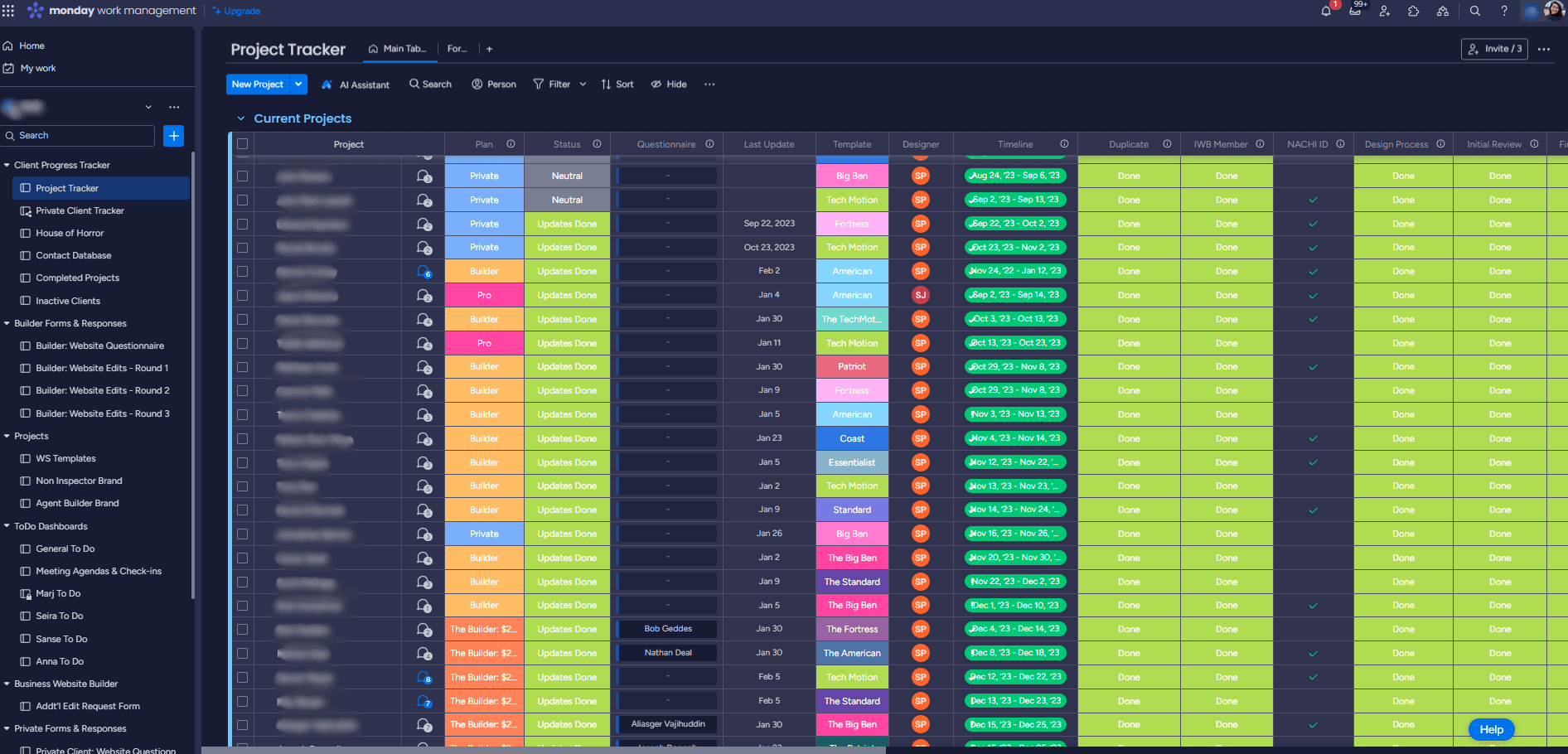
A fast-growing food industry team reached out to us with a challenge. They had already adopted Monday.com, but instead of empowering their operations, the tool had become an overcomplicated spreadsheet — rows of information, manual inputs, and disconnected boards that didn’t really serve their purpose.
While the team relied on it daily, they weren’t leveraging its full potential. Every project update was handled manually, data piled up with no clear archiving system, and tracking project progress was nearly impossible. In short, the team had structure on paper, but no system that truly worked for them. They needed a way to transform their workflow into something organized, automated, and scalable — a foundation that would support their continued growth.
The Challenge: A System Without Flow
The team’s workflow revealed three main pain points:
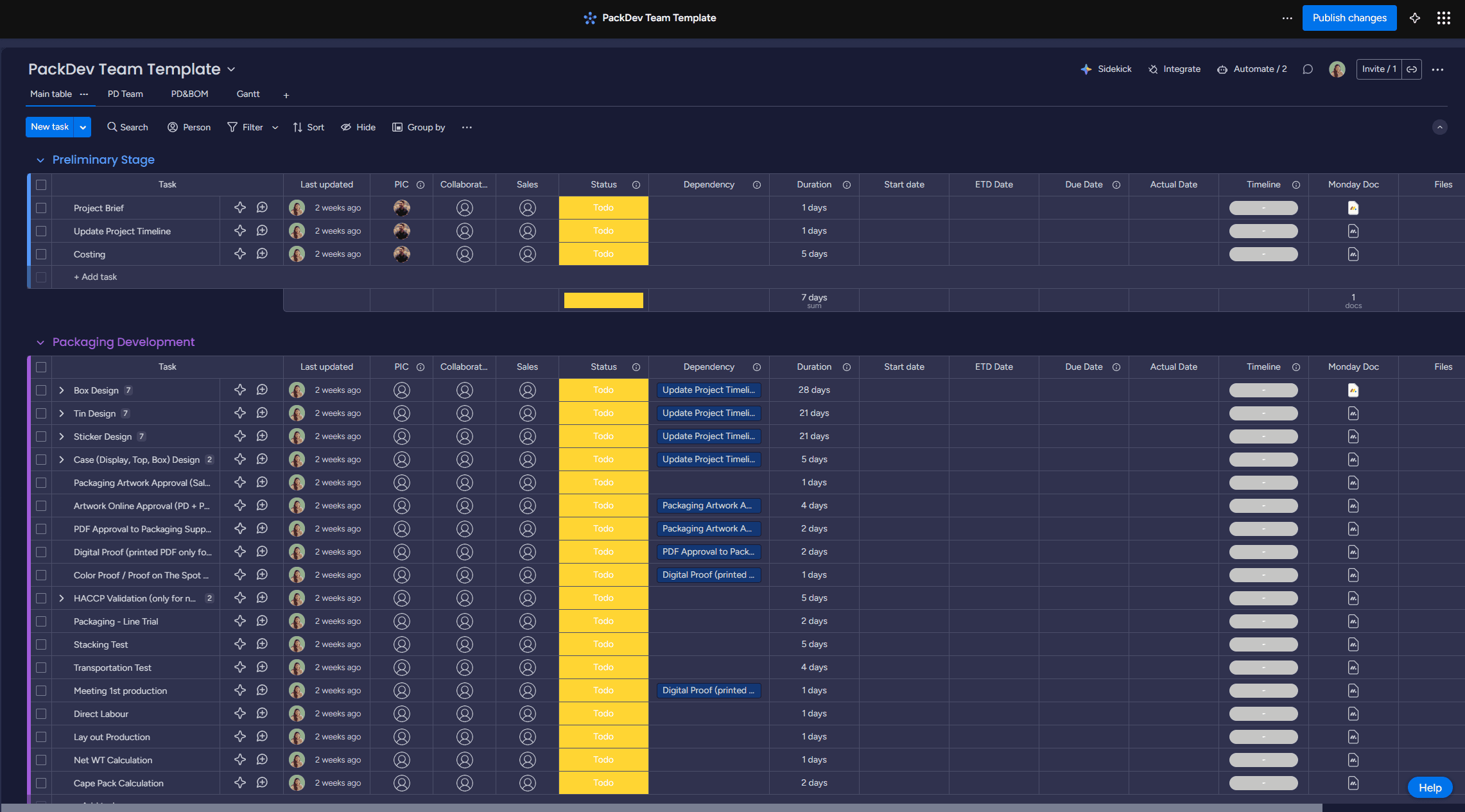
Manual Work Everywhere – Every new request, status change, or follow-up required someone to manually update the board. This ate up valuable time that could’ve been spent on strategy and execution.
No Central Archiving or Data Hygiene – Finished projects cluttered active boards, making it difficult to distinguish between current work and completed tasks. The lack of an archiving process slowed everyone down and made reporting cumbersome.
No Visibility or Accountability – Because tasks weren’t linked to a clear status-based workflow, it was hard to tell where a project stood, who was responsible, or whether deadlines were being met.
The result? A growing sense of inefficiency — where everyone was busy, but not necessarily productive.
Implemented Strategy: Designing a System That Flows
To address these issues, I started by mapping their existing process from end to end — understanding how a request entered the system, where it got delayed, and how teams interacted across departments.
Then, I rebuilt their Monday.com structure from the ground up with automation and clarity at the core.
Here’s what we implemented:
Form-Based Intake System
Every new project or request now starts with a standardized Monday form. This ensures complete, accurate information right from the start — eliminating the need for manual data entry or back-and-forth clarifications.Automated Task Distribution
Once a form is submitted, automation rules trigger the creation and routing of tasks to the right teams. As the project status changes, updates automatically flow to the next department, ensuring no handoff is missed.Status-Driven Workflows
Each status update acts as a system signal — moving tasks, notifying team members, and triggering the next step. This replaces the old manual follow-up system and keeps everyone aligned in real-time.Archiving & Data Maintenance
A clean, automated archiving system was introduced. Completed projects are automatically moved to a separate board after sign-off, reducing clutter while keeping data available for reference or reporting.Performance Dashboards
I built dashboards that visualize workloads, timelines, and project progress. Leadership can now instantly see what’s in progress, what’s delayed, and where bottlenecks occur — all in one view.
Outcome: From Manual to Automated
Within just a few weeks, the team’s day-to-day operations changed dramatically.
Manual entry and redundant updates were reduced by 70–80%.
Tasks now flow automatically from request to completion, with full visibility across departments.
The new archiving system keeps their workspace organized and up-to-date.
Managers can easily track progress, accountability, and team capacity without micromanaging.
What used to feel like a “glamorized spreadsheet” is now a living, breathing system — one that supports productivity, transparency, and growth.
This transformation didn’t just make their tools more efficient — it changed how the team works together. They now have a reliable, automated workflow that saves hours every week and gives them clarity at every stage of a project.
Final Takeaway
Tools like Monday.com are powerful, but only if they’re built around the way your team truly works.
When structure, automation, and clarity come together, teams can finally move from reactive to strategic — spending less time on admin and more time creating results.